| ||||||||||
|---|---|---|---|---|---|---|---|---|---|---|
The DiamondSpin toolkit provides to the developer community a rich Java toolkit, based on SWING and compatible with it but ...
with openGL fast display of subwindow and new features for these windows. It aims at being used for tabletop user interfaces.
Tabletop are different from desktop application in many ways :
For all these reasons we believe the existing toolkits are not suitable to develop tabletop application so we work hard on making DiamondSpin. In this web page you will find information on:
| ||||||||||
| |
|---|---|
Screenshots: |
|
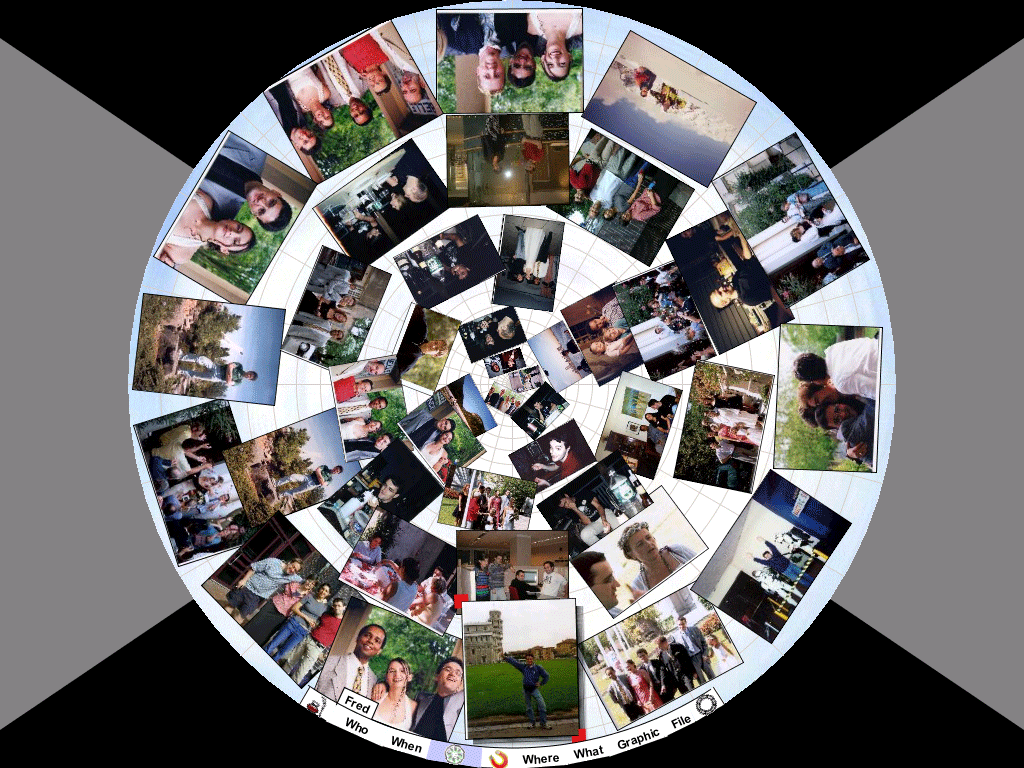 www.merl.com/projects/PDH |
PDH stands for Personal Digital Historian and was a stand alone application running family pictures on the table. 2001 |
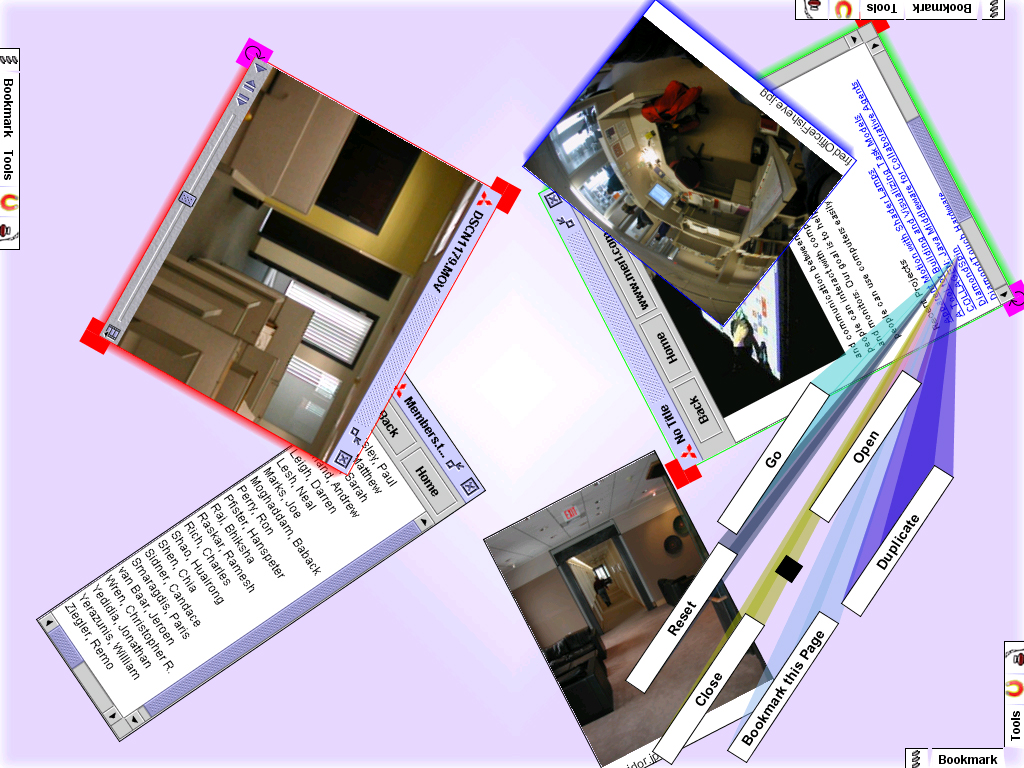 www.merl.com/projects/diamondspin |
DiamondSpin v1.0 was developped at MERL by Fred Vernier to generalize what we did with PDH. 2002-2003 |
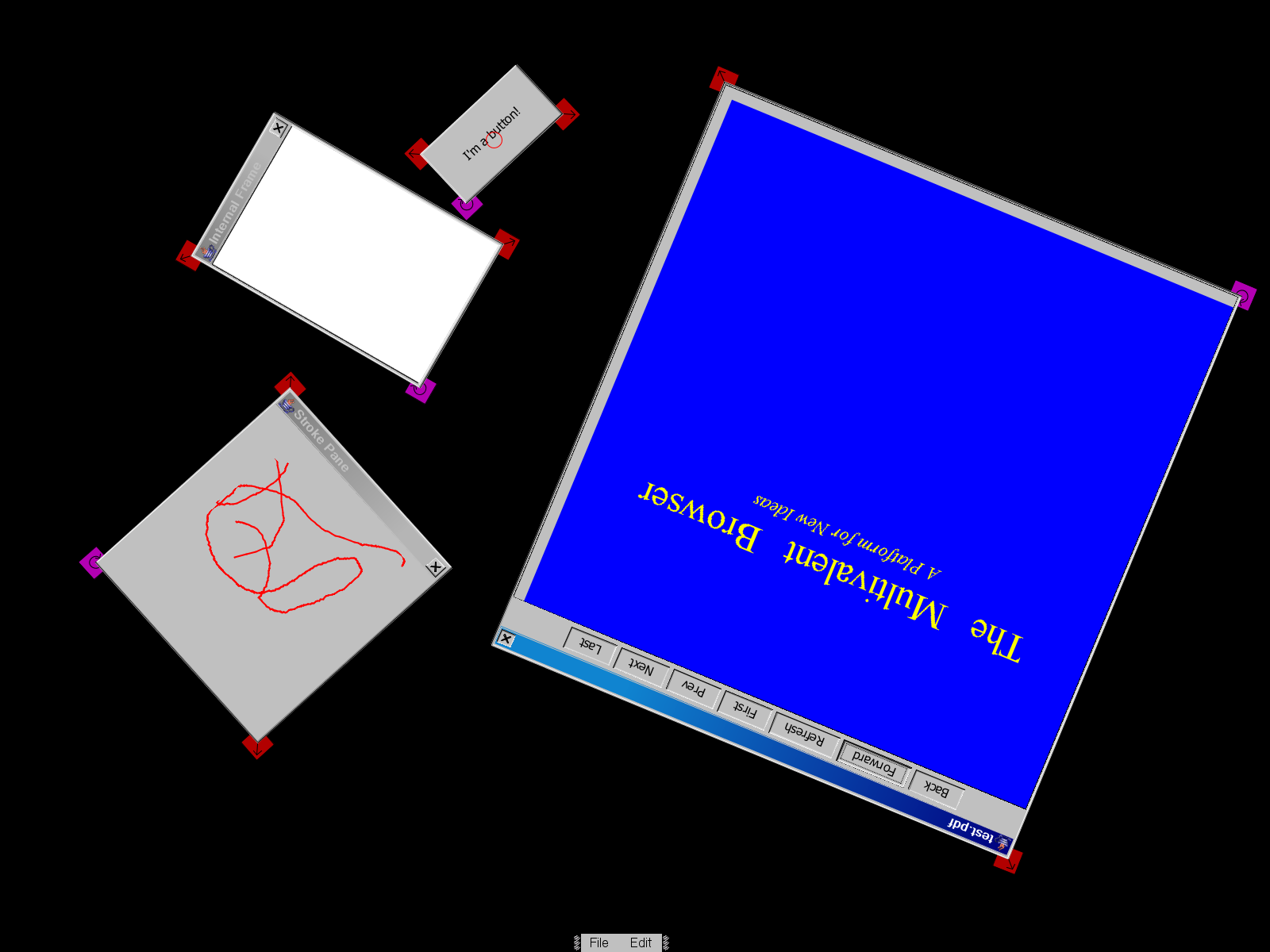 No web site |
DiamondSpin Lite was developped at MERL by Mark Hancock. 2004 |
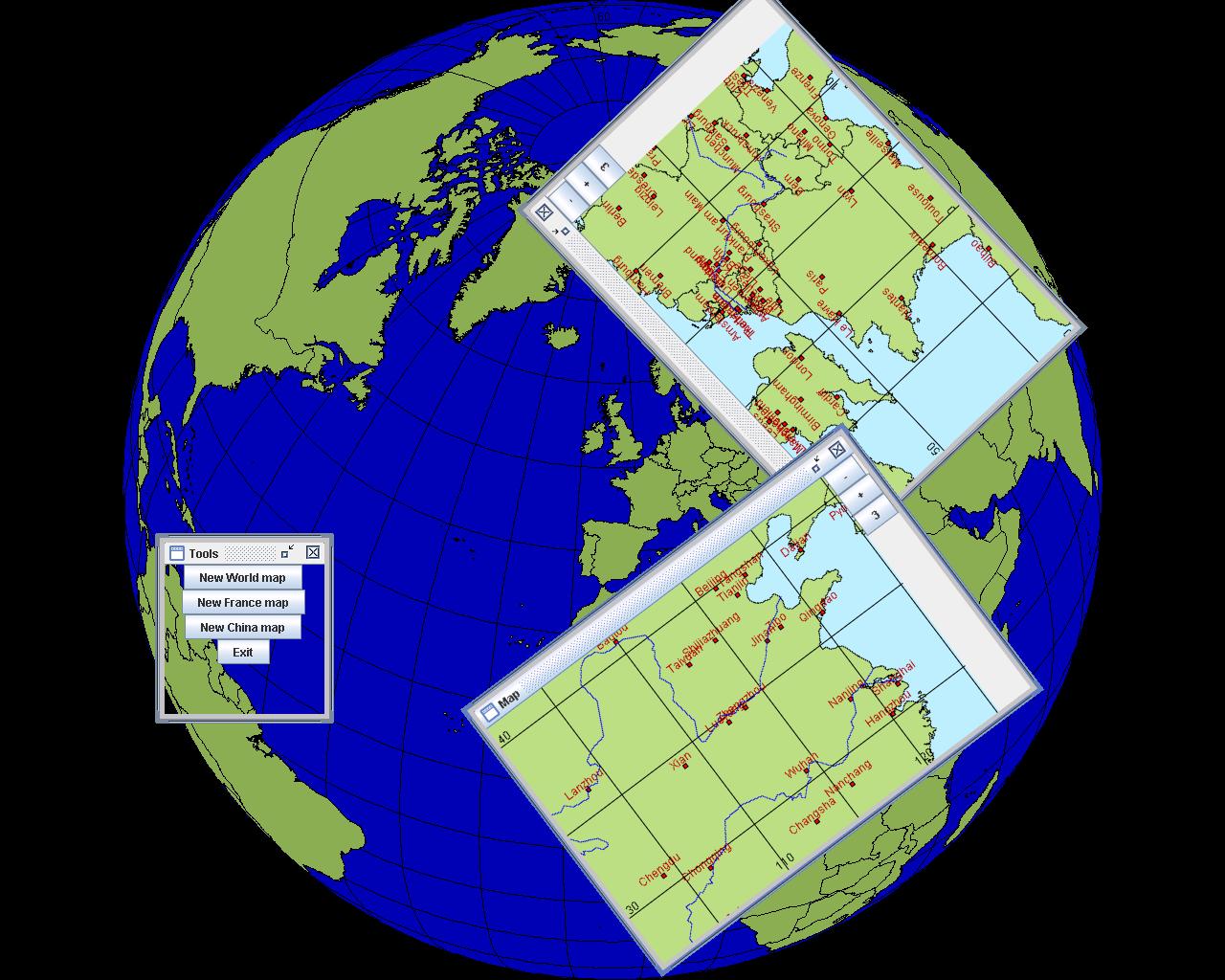 No web site |
DiamondSpin v1.5 was developped in France for MERL by Frédéric Vernier and focussed on Swing/Java beans integration. 2005 |
 www.diamondspin.org |
DiamondSpin v2.0 is developped as an open-source project by Frédéric Vernier and others. It now use openGL as graphic engine and TUIO as input events |
Videos (to come...) |
|
| |||||||||||||||||||||
|---|---|---|---|---|---|---|---|---|---|---|---|---|---|---|---|---|---|---|---|---|---|
|
|||||||||||||||||||||
|
| ||||||||||||||||||||
| |
|---|---|
|
|
| |
|---|---|
|
|
| |
|---|---|
|
|
| |
|---|---|
 |
|
|
|
| ||||||||||
|---|---|---|---|---|---|---|---|---|---|---|
|
Permission to use, copy, modify and distribute this software and its documentation for educational, research and non-profit purposes, without fee, and without a written agreement is hereby granted, provided that the above copyright notice and the following three paragraphs appear in all copies. To request Permission to incorporate this software into commercial products contact one of the authors of the project
IN NO EVENT SHALL THE AUTHORS BE LIABLE TO ANY PARTY FOR DIRECT, INDIRECT, SPECIAL, INCIDENTAL, OR CONSEQUENTIAL DAMAGES, INCLUDING LOST PROFITS, ARISING OUT OF THE USE OF THIS SOFTWARE AND ITS DOCUMENTATION, EVEN IF THE AUTHORS HAS BEEN ADVISED OF THE POSSIBILITY OF SUCH DAMAGES. THE AUTHORS SPECIFICALLY DISCLAIMS ANY WARRANTIES, INCLUDING, BUT NOT LIMITED TO, THE IMPLIED WARRANTIES OF MERCHANTABILITY AND FITNESS FOR A PARTICULAR PURPOSE. THE SOFTWARE PROVIDED HERE UNDER IS ON AN "AS IS" BASIS, AND THE AUTHORS HAS NO OBLIGATIONS TO PROVIDE MAINTENANCE, SUPPORT, UPDATES, ENHANCEMENTS, OR MODIFICATIONS. |
||||||||||
| ||||||||||||||||||
|---|---|---|---|---|---|---|---|---|---|---|---|---|---|---|---|---|---|---|
want to join us ? please contact frederic.vernier  limsi.fr limsi.fr
|
||||||||||||||||||


 Inheritance when a class inherit methods and fields from an other class
 Listener receiving events related from a source they registered first
 Free hand drawing on the table using finger as a brush
 Graphical element visible on the table
 Explaining concretely what could be a DSElement in our architecture
 DiamondTouch table in this picture but could be any concurent event generator
 View are repository of graphical elements handling popup menu, selection of element, etc.
 Engine transforming cartesian coordinates to polar coordinates and reciprocually
 Popup menu appearing when double tap is performed on the table
 Corner of a DSFrame, Used to resize, zoom in/out, rotate or peel the frame


![[screenshot]](dstour1/dstour1.gif)
![[screenshot]](dstour2/dstour2.gif)
![[screenshot]](dstour3/dstour3.gif)
![[screenshot]](dstour4/dstour4.png)
![[screenshot]](dstour5/dstour5.png)
![[screenshot]](dstour6/dstour6.png)
![[screenshot]](dstour7/dstour7.png)
![[screenshot]](dstour8/piling.png)
![[screenshot]](dstour9/dstour9.png)